






How is traffic measured and what are the different types?
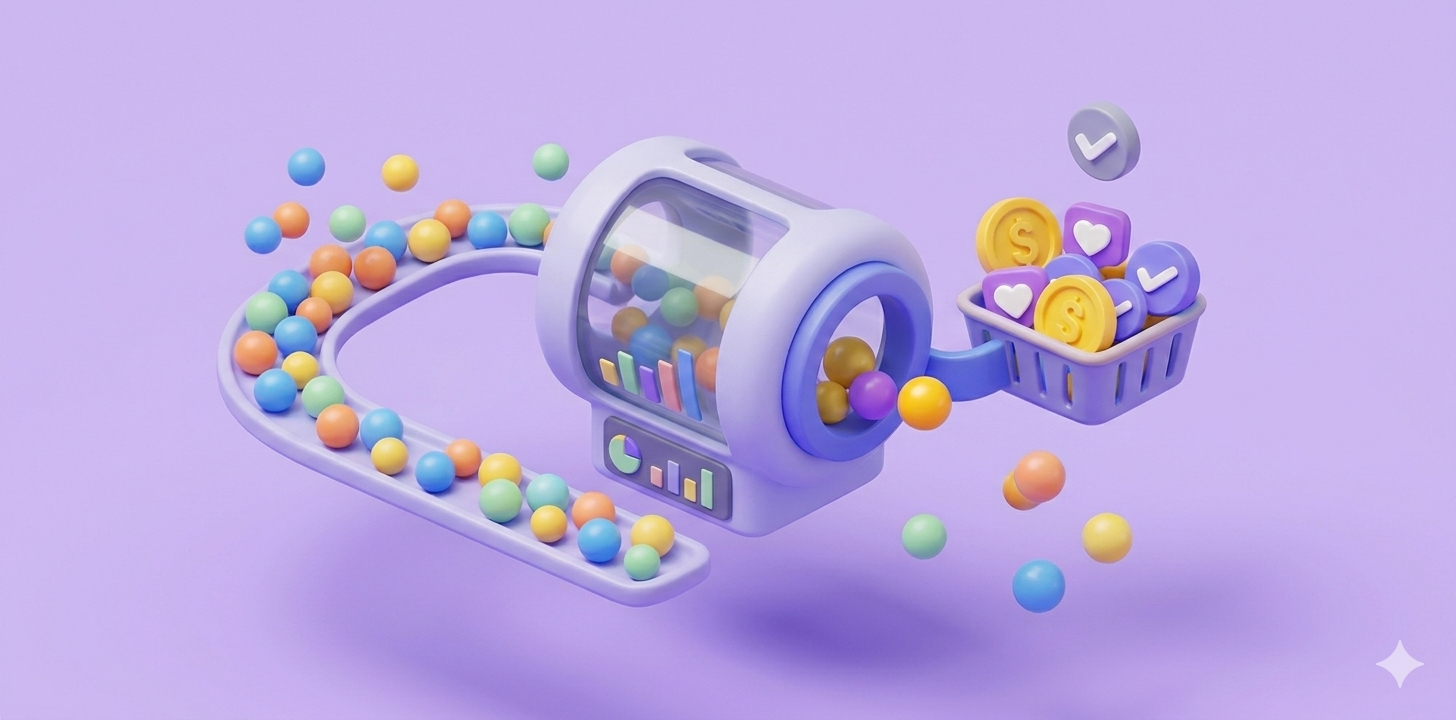
Traffic is measured by counting “sessions” or “unique visitors” through analytics tools that track every time a user loads your page. It tells you how many people are entering your digital storefront and where they came from.
Common Traffic Types:
- Organic Search: People who find you via Google or Bing.
- Direct: Users who type your URL straight into the browser.
- Social: Visitors coming from links on Instagram, LinkedIn, or TikTok.
- Referral: Traffic from other websites or blogs linking to you.
What qualifies as a conversion and how is it calculated?
A conversion is any specific action you want a user to take, ranging from signing up for a newsletter to buying a product. It is calculated by dividing your total conversions by your total number of visitors and multiplying by 100.
What is the difference between Macro-Conversions and Micro-Conversions?
Macro-conversions are your primary business goals (like a sale), while micro-conversions are smaller steps that lead toward that goal (like downloading a PDF).
| Metric | Goal | Example |
| Micro-Conversion | Build Trust | Clicking on a “Pricing” page or watching a video. |
| Macro-Conversion | Generate Revenue | Completing a checkout or signing a contract. |
Why is it important to track both traffic and conversions together?
Tracking both allows you to identify exactly where your sales funnel is broken. If traffic is high but conversions are low, your website might be confusing; if conversions are high but traffic is low, you simply need to invest more in marketing.
Key Decision Factors:
- ROI Analysis: You can’t calculate how much a lead costs without knowing both numbers.
- User Experience: If a specific traffic source has a 0% conversion rate, you may be targeting the wrong audience.
- Technical Health: A sudden drop in conversions while traffic stays steady often signals a broken button or form on your site.
What is the relationship between traffic intent and conversion rates?
The “Intent” refers to what the user wants when they arrive; the more specific their intent, the higher your conversion rate will likely be. Someone searching for a specific service has higher intent than someone just browsing for general information.
What is Conversion Rate Optimization (CRO)?
CRO is the process of testing and changing elements on your website—like button colors, headlines, or images—to see which version makes more people convert. It is about making your existing traffic work harder for you.
How to Start CRO:
- Analyze Heatmaps: See where people are clicking (or failing to click).
- Simplify Forms: Remove unnecessary fields that might annoy users.
- Speed Up Your Site: Slow loading times are the #1 killer of conversions.
Conclusion
Traffic and conversions are two sides of the same coin, and success requires a healthy balance of both. While traffic fills your funnel, conversions determine your actual revenue, making it essential to treat them as a combined strategy rather than isolated numbers. By using tools like Hocoos to build a high-performance site and consistently optimizing the user journey, you ensure that every visitor has a clear path toward becoming a loyal customer.