







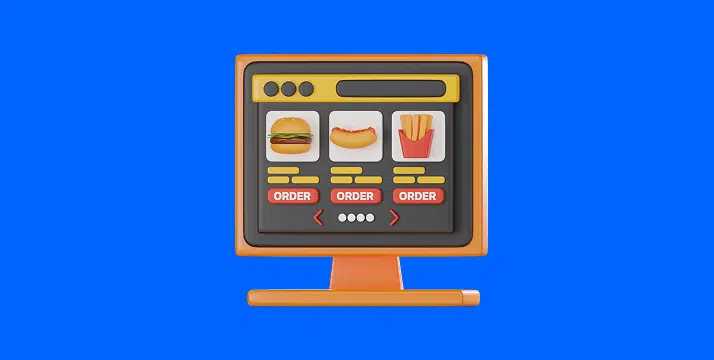
Why is a Dedicated Website better than relying solely on social media or third-party apps?
Having a website provides a restaurant with control over its branding, customer information, and sales funnel, with a possible impact on profit margins due to the potential decrease in third-party commissions. Compared to social media, which may be considered a temporary space, the website functions as a core platform for the business.
What essential features are required for making reservations or placing online orders?
Essential features for direct transactions include an integrated real-time reservation system or a secure online ordering system with transparent pricing, payment processing, and confirmation notifications (email or SMS).
What role does the online menu play, and what details should it contain?
The online menu is the most crucial informational page; its role is to inform customers about offerings and drive purchase decisions. It must contain:
• Detailed descriptions: Information about each dish is conveyed through descriptions.
• Current prices: The objective is to reflect the actual and undisguised costs.
• Allergens and dietary labels: Put clearly gluten-free, vegan, or nut-free signs for the products.
• Visuals: The inclusion of food photography.
How important are high-quality photos and videos of the food and atmosphere?
High-quality photographs and videos are crucial because they are the main visual tools they use to attract customers and make decisions. These visuals can potentially attract customers, influence their desire for the product, and demonstrate the experience, which may correlate with restaurant visits or order placements.
How do customers interact with a Restaurant Website?
Customers primarily use a restaurant’s digital platform to quickly check key operational information and complete direct transactions (booking a table or placing an order).
What is the importance of having a mobile-friendly (responsive) Website Design?
The restaurant website must be mobile-friendly. More than 50% of traffic to the website arrives through mobile devices. Responsiveness guides adjustments in layout, text, and images to fit smartphone and tablet screens, which may correlate with user experience and business outcomes.
How can a Restaurant Website be optimized for local search (SEO)?
A restaurant website is optimized for local search by consistently implementing local SEO strategies, which primarily aim to make the restaurant visible for “near me” searches. Key optimization tactics include:
• Consistent NAP: Making sure that the Name, Address, and Phone number are the same on the website and all online directories.
• Location keywords: Using the city and neighborhood names in page titles and content naturally.
• Google business profile: Establishing a restaurant’s profile on Google and optimizing it for maps and search results may have an effect.
Conclusion
A restaurant website (beyond being an online brochure) can be a notable factor influencing operational control, profitability, and customer reach. A mobile-friendly platform with direct ordering functionality and a local SEO strategy might influence commission costs, customer data management, and the likelihood of being found by local customers. The dining industry’s stability and growth could be affected by digital investment.